


Is Tanzania safe? For most visitors who plan ahead, yes, especially on guided safaris in national parks and on Zanzibar's beaches. No destination is risk-free, and government advice changes, so read the current UK safety and security advice before you book. The main everyday risks are petty theft in busy towns, night-time road travel and altitude sickness on Kilimanjaro, and each one can be reduced with simple planning and a licensed operator.
Last updated: November 2026
Key takeaways
- Overall answer: Is Tanzania safe? Yes for most visitors who plan ahead, stay alert and book licensed operators.
- Biggest everyday risks: Bag snatching and pickpocketing in markets and bus stations, plus road travel after dark.
- Safari parks: Parks such as the Serengeti and Ngorongoro are run by TANAPA and NCAA, with rangers and licensed guides.
- Before you fly: Check your government's current advice, apply for an eVisa, and confirm your operator's licence.
- Health: Malaria risk is present in most safari and coastal areas, so see a travel clinic several weeks before departure.
Is it safe to go on safari in Tanzania?
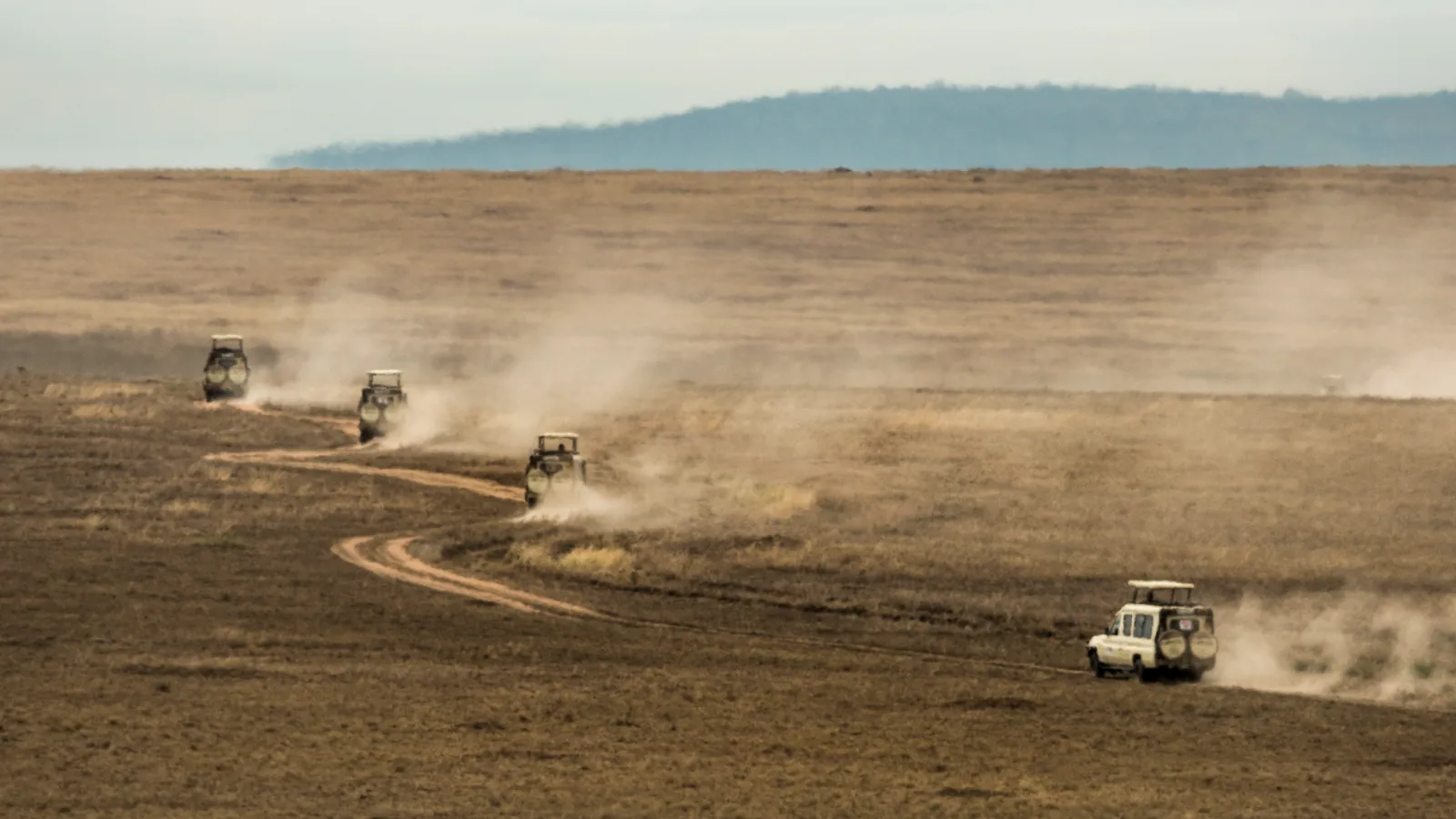
Yes. Safaris in the main national parks are generally safe when you travel with a licensed operator and a trained guide. Park rangers patrol the parks, and guides keep vehicles at a set distance from animals. The real risks on safari are vehicle breakdowns, long drives on rough roads and rare close wildlife encounters, not crime.
SafariLists' own role is checking operator licences and company documents and reading traveller requests before they go to operators. That does not make anyone a safety authority, so for official risk information rely on your government's travel advice and the park authorities. A planned route with a licensed company removes many of the practical risks, such as unlicensed drivers or unplanned night transfers.
Tanzania's parks are managed by Tanzania National Parks (TANAPA) and the Ngorongoro Conservation Area Authority (NCAA). Their official sites list park rules and visitor information, and TANAPA has a safe travel page for visitors. Read the rules before you go, since they cover vehicle conduct, walking and camping. Game drives run within park opening hours, generally from around sunrise to sunset, so ask your operator for the gate times on your route.
Is Tanzania a stable country?
Tanzania has a long record of peaceful daily life for visitors, but the picture is not without problems. UK government advice notes that protests after the general election of 29 October 2025, and the security response, led to fatalities and injuries in many areas of the mainland, and that further demonstrations are possible. Check your government's travel advice before you book and again before you leave.
The same advice says to stay away from demonstrations, rallies and large crowds, and notes that the authorities have limited internet access during or after past protests. In practice, that means keeping your operator's and insurer's contact details written down, not only on your phone. Day-to-day risks for most travellers are still local ones, such as theft in crowded areas and poor roads in rural districts, so plan around those as well as the national headline.
What countries are at level 3 travel warning?
Level 3 ("Reconsider travel") is part of the US State Department's four-level advisory system, used where it sees serious risks. Advisory levels for Tanzania, and for every other country on your route, change over time, so check the current US State Department advice for your dates rather than relying on an older article. Other governments use their own systems: the UK, for example, advises against all but essential travel only to areas within 20 km of Tanzania's border with Cabo Delgado province in Mozambique.
Advisory levels can differ between countries and between regions within a country. A warning for one border area does not always apply to a safari park or Zanzibar. Read the reasons listed, not just the headline level.
Why would Tanzania be placed at a higher advisory level?
Advisories are reviewed and can change quickly, so confirm the level for your own dates. A higher level usually reflects specific reasons, such as unrest after an election, terrorism risk near a border, or crime in a city. Read the reason given, because it may cover one region, one type of risk or a recent event.
When you read any advisory, note the specific reasons, such as crime in a city or security risk near a border. Then ask whether those reasons touch your planned route, and ask your operator how they would adapt the trip if conditions changed.
What are the main safety risks in Tanzania?
The main risks are petty theft, road accidents and health problems such as malaria. Violent crime against tourists also happens, so basic precautions still matter, and the UK advice lists the current issues by region. Most problems are avoidable with sensible habits and a planned itinerary.
Petty theft is a common issue for visitors. Bag snatching, pickpocketing and phone theft happen in crowded markets, bus stations and busy towns after dark. Keep valuables out of sight, and carry your passport and cards in a money belt.
Road safety deserves attention too. Many routes between towns are long, with sections of rough gravel. Travel by day where possible, and ask your operator how many hours a transfer will take. A drive from Arusha to the central Serengeti, for example, can take most of a day, so build in rest stops.
Is Dar es Salaam safe for tourists?
Dar es Salaam is a large city, and tourists should use the same care they would in any big city. Stay in well-reviewed hotels, use pre-arranged transport at night, and avoid walking alone after dark. Many visitors only pass through the city between flights.
Traffic is heavy and road crossings can be difficult. Ask your hotel or operator to arrange airport pick-ups instead of taking unmarked taxis. The drive from the airport to the city centre can be slow in heavy traffic, so allow plenty of time.
Is Zanzibar safe for travellers?
Zanzibar is generally safe and is a popular beach destination. As on the mainland, the main risk is petty theft on beaches and in busy areas such as Stone Town. Keep an eye on bags while swimming, and do not leave valuables unattended on the sand.
The Zanzibar Commission for Tourism publishes official information for visitors, and it is worth reading before you travel. Dress modestly when you visit villages and religious sites, since local custom is conservative outside the resort areas. The UK advice also notes that past elections in Zanzibar have turned violent, so check the news before you go. Transfers between Stone Town and the beaches are by road, and your hotel or operator can tell you the time for your area.
Is Kilimanjaro safe to climb?
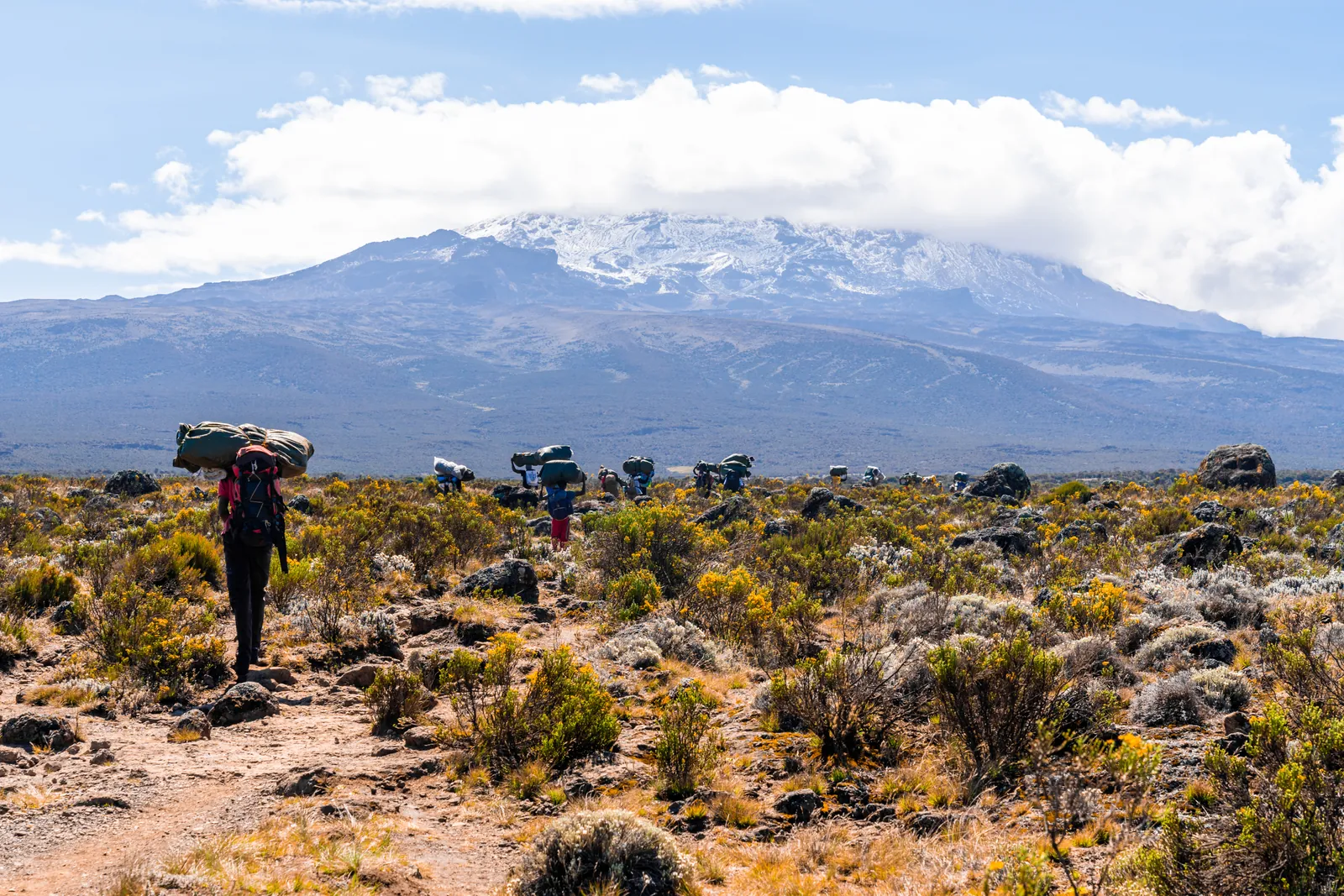
Kilimanjaro can be climbed safely with a licensed operator and a well-trained crew, but it is a serious mountain. The main danger is altitude sickness, which the NHS says can affect people above about 2,500 metres and which can become life-threatening higher up. Kilimanjaro's summit, Uhuru Peak, stands at 5,895 metres, and most routes take five to nine days. A slower pace gives your body time to adjust, and you should descend if you feel unwell.
Operators must follow Kilimanjaro National Park rules. Before you book, ask what the operator's guides are trained in, how they monitor oxygen levels and pulse, what medical kit they carry and how they handle emergencies.
If you want to join other climbers, our group departures page lists fixed-date trips. For the route itself, see the Kilimanjaro Machame route or the Kilimanjaro group climb.
What should you wear in Tanzania?
Dress modestly in towns and villages, covering shoulders and knees. On safari, wear neutral colours such as khaki, green or brown, which suit the bush. Bright clothing is fine on beaches. Pack layers, since early mornings and evenings in the highlands, such as the Ngorongoro rim, can be cold in the dry season.
Light, breathable clothing works in the heat, and a warm fleece is useful for early game drives. Bring a hat, sunscreen and sturdy shoes for walking.
How can I stay safe on safari?
Stay in your vehicle unless your guide says you may leave it, keep voices low, and follow the guide's instructions at all times. Do not feed animals or approach them on foot. Park rangers and guides are trained to keep visitors safe around wildlife.
Choose a licensed operator and ask about the operator's vehicles, guides and emergency plans. Good operators explain the park rules before the trip starts, and they will tell you how to behave around lions, elephants and buffalo.
What health precautions should you take?
See a travel clinic at least 8 weeks before you travel, as UK health advice suggests, for advice on vaccines and malaria prevention. The CDC Tanzania page lists malaria risk across much of the country, and the right tablets depend on your health and itinerary. Use insect repellent, sleep under a net where one is provided, and carry a basic first-aid kit.
Drink bottled or treated water and avoid ice of unknown origin. Since 1 October 2026, non-resident visitors must also hold the government inbound travel insurance, according to the UK entry requirements page. Carry your own travel insurance that covers medical evacuation as well, especially if you plan to climb Kilimanjaro or visit remote parks, because evacuations from remote areas can take many hours.
Do I need a visa to visit Tanzania?
Most US citizens need a visa to enter Tanzania, and the simplest route is the official eVisa system run by Tanzania Immigration Services. Apply well before your trip, then print or save your approval. The Ministry of Natural Resources and Tourism publishes park and tourism information.
- Check the current visa requirement on the official Tanzania Immigration eVisa site.
- Apply online and keep your approval with your passport.
- Confirm park entry rules with TANAPA or NCAA before you enter a park.
- Confirm park fees for your trip with your operator. Fees follow the park tariff for the year, and the operator confirms the current amounts.
How do you choose a safe operator in Tanzania?
Choose a licensed operator with clear documents and a written itinerary. Tour operators need a licence from the relevant tourism authority, TALA on the mainland or the Zanzibar Commission for Tourism in Zanzibar, and you should ask to see it. Ask how guides are trained, what vehicles are used and how emergencies are handled.
SafariLists is not a tour operator. It checks operator licences and company documents before a company is labelled SafariLists Verified, and it checks every traveller request before sending it to up to 3 verified operators you choose. You pay the operator directly, and SafariLists never asks you to pay into a personal account. Our trust and safety page explains what is checked. You can also read how SafariLists works to see how your enquiry is handled.
You can find listed companies on our local tour operators page, and browse trips on all Tanzania safaris. If you are unsure where to start, the Find my safari quiz helps match you with suitable trips.
Is Tanzania safe for solo female travellers?
Solo women do travel in Tanzania, often on guided tours, and the UK government has safety advice that covers women travellers. Dress modestly in towns, avoid walking alone at night, and use pre-arranged transport. Group departures can also feel more comfortable for first-time visitors.
Share your itinerary with someone at home and keep copies of your documents. Trust your instincts. If a situation feels wrong, leave.
How can you plan a safe trip to Tanzania?
Plan your route, book with a licensed operator, and keep copies of key documents. A written itinerary with planned transport and hotels reduces risk and stress. Our free Tanzania safari planner helps you set out dates and interests before you contact operators.
If you want beach time too, a safari and Zanzibar beach trip combines both. For flights between parks and cities, see domestic flights in Tanzania, and for places to stay, see lodges, camps and hotels.
Safety by destination: how do the main areas differ?
Safari parks and Zanzibar carry lower everyday risk than busy cities, and Kilimanjaro carries the highest physical risk. The table below sets out the main concern, the best season and the typical length of each trip type.
| Destination | Main safety concern | Best months | Typical length |
|---|---|---|---|
| Serengeti and Ngorongoro | Long road transfers, vehicle breakdowns | June to October (dry season) | 3 to 7 days |
| Zanzibar beaches | Petty theft, sun exposure | June to October, and December to February | 4 to 10 days |
| Dar es Salaam | Traffic, petty theft at night | Year-round | 1 to 2 days |
| Kilimanjaro (Machame route) | Altitude sickness, rising with height | January to March, June to October | 6 to 7 days |
Season matters for safety as well as comfort. Dry months mean firmer tracks and easier driving, and a clearer summit on Kilimanjaro. Rainy months can make secondary roads difficult. Check the season for your route before you set dates.
Have questions about safety on your route?
If you have questions about safety on a particular route, send them with your request through the SafariLists enquiry form. Tell us your dates, interests and concerns. The SafariLists team checks the request first, then sends it to up to 3 SafariLists Verified operators you choose, who can explain how they handle safety on that route. There is no pressure to book.
Frequently asked questions
Is Tanzania a stable country?
Daily life for most visitors is calm, but protests after the October 2025 general election led to fatalities, and UK government advice says further demonstrations are possible. Check your government's current travel advice before you book and again before departure.
Is it safe to go on safari in Tanzania?
For most visitors, yes. Safaris in national parks are generally safe with a licensed operator and trained guide. Parks are managed by TANAPA and NCAA, and rangers and guides follow park rules around wildlife and vehicles.
Can you wear red in Tanzania?
Yes, you can wear red in Tanzania. Dress modestly in towns and villages, and choose neutral colours such as khaki or green for game drives, where they suit the bush.
What countries are at level 3 travel warning?
Advisory levels change, so check the current US State Department advice for Tanzania and for every country on your route. Read the reasons given, since they may cover one region rather than the whole country.
Is Zanzibar safe for travellers?
Zanzibar is generally safe for visitors. A common risk is petty theft on beaches and in busy areas, so keep bags in sight and avoid leaving valuables unattended. Dress modestly when visiting villages and religious sites.
Do I need a visa to visit Tanzania?
Most US citizens need a visa, and the simplest route is the official Tanzania Immigration eVisa system. Apply well before your trip, keep your approval with your passport, and check park entry rules with TANAPA or NCAA.
The bottom line: Tanzania is safe when you plan and book a licensed operator
Tanzania is generally safe for travellers who prepare well, follow current government advice and book with a licensed company. The main risks are manageable with basic precautions.
- Check your government's current advice and get your eVisa before you fly.
- Use licensed operators, keep valuables out of sight, and follow guide instructions on safari.
- See a travel clinic about malaria and vaccines, buy the mandatory inbound insurance, and carry your own insurance with medical evacuation cover.

